
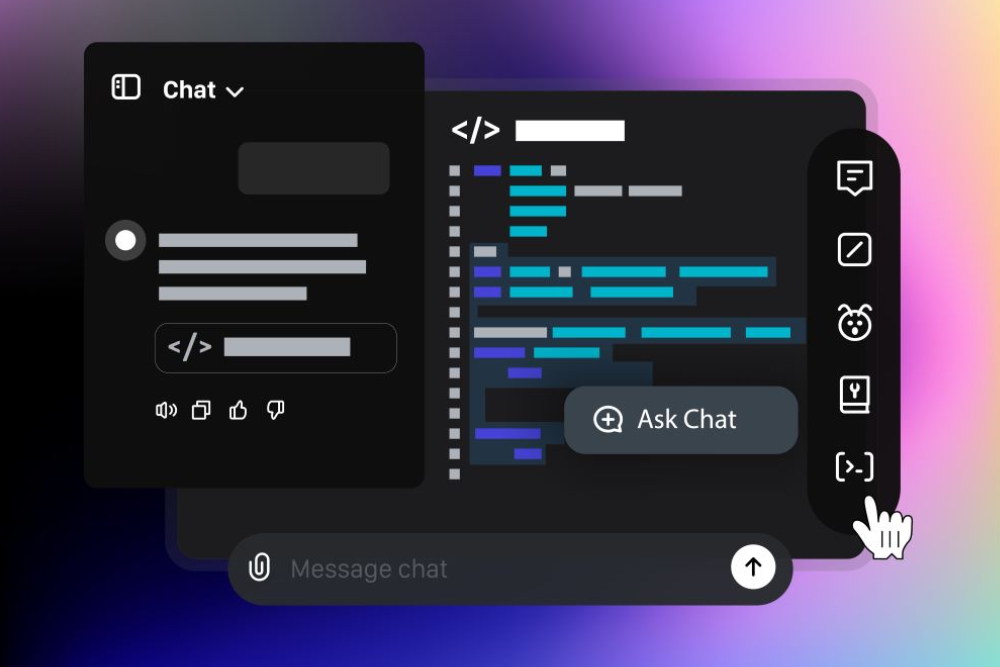
WordPress web development has always been about smart decisions. Choosing the right structure, writing reliable code, keeping performance tight, and making sure a site can scale over time. AI doesn’t replace that thinking. What it does properly is guide developers by using lowering friction, catching problems in advance, and speeding up components of the workflow that don’t want regular human effort.
Used well, AI works like a second set of eyes or an extra pair of hands. It enables developers work faster and cleaner, at the same time as the actual expertise still comes from people that apprehend WordPress internal out.
Here are five practical ways AI is being used in professional WordPress development today.
1. Faster, More Consistent Code Scaffolding
Setting up themes and plugins often starts with repetitive groundwork. AI tools can help generate initial file structures, basic theme templates, custom post types, taxonomies, and plugin frameworks that follow WordPress standards.
This doesn’t remove the need for planning. Developers still decide how the site is structured and how features work together. AI simply reduces setup time and helps teams start from a solid, consistent base instead of rewriting the same boilerplate on every project.
2. Ongoing Code Review and Quality Checks
AI-powered development assistants can scan PHP, JavaScript, and CSS to spot common issues early. This includes syntax errors, deprecated WordPress functions, missing sanitization, or inefficient logic.
In WordPress initiatives, these checks are particularly useful for figuring out incorrect hooks, hazardous database queries, or code which could damage at some point of future updates. Developers live on top of things, but with fewer blind spots and less low back-and-forth at some point of testing.
3. Faster Debugging When Things Break
Anyone who works with WordPress knows that troubles can come from many places. Plugins, themes, server settings, or updates can all introduce surprising issues. AI tools can examine mistakes logs and warning messages and endorse likely reasons based totally on patterns.
This doesn’t magically fix bugs, but it shortens the time spent searching. Developers get clearer route on in which to analyze, which leads to faster resolutions and much less downtime for customers.
4. Automated Testing That Actually Helps
Testing often gets rushed in WordPress projects, especially when timelines are tight. AI-assisted testing tools can automate functional testing such as shape submissions, user flows, and dashboard interactions.
They also can assist with regression testing after updates, to make certain that new adjustments don’t spoil present capabilities. This adds a layer of confidence without changing manual overview or real-world testing.
5. Performance and Security Insights You Can Act On
AI tools can scan WordPress installations to highlight performance bottlenecks and security risks. This includes slow queries, unnecessary plugin load, inefficient scripts, outdated components, and common configuration issues.
Instead of guessing where problems might be, developers get clear signals on what needs attention. From there, performance tuning and security hardening are handled using proven WordPress best practices.
AI works best in WordPress web development when it stays in a supporting role. It helps teams work cleaner, faster, and with fewer mistakes, but the strategy, architecture, and final decisions still come from experienced developers. That balance is what leads to reliable, scalable WordPress websites built to last.
Frequently Asked Questions
AI reduces setup and review time by handling repetitive groundwork like scaffolding and preliminary checks. This lets in builders to spend extra time on architecture, customization, and solving commercial enterprise-specific troubles as opposed to repeating the identical setup paintings on every assignment.
No. AI supports developers through highlighting troubles, styles, or risks, however it does not recognize business goals, user behavior, or brand context. Developers still make the center technical and strategic decisions that shape how a WordPress website functions and grows.
Yes. AI tools are frequently more precious at some point of protection, in which they help detect performance slowdowns, plugin conflicts, outdated additives, and security risks earlier than they change into visible problems or downtime.
When used carefully, AI improves consistency and early issue detection, which reduces surprising screw ups after updates or changes. This leads to greater stable sites, smoother upgrades, and less urgent fixes later.
